
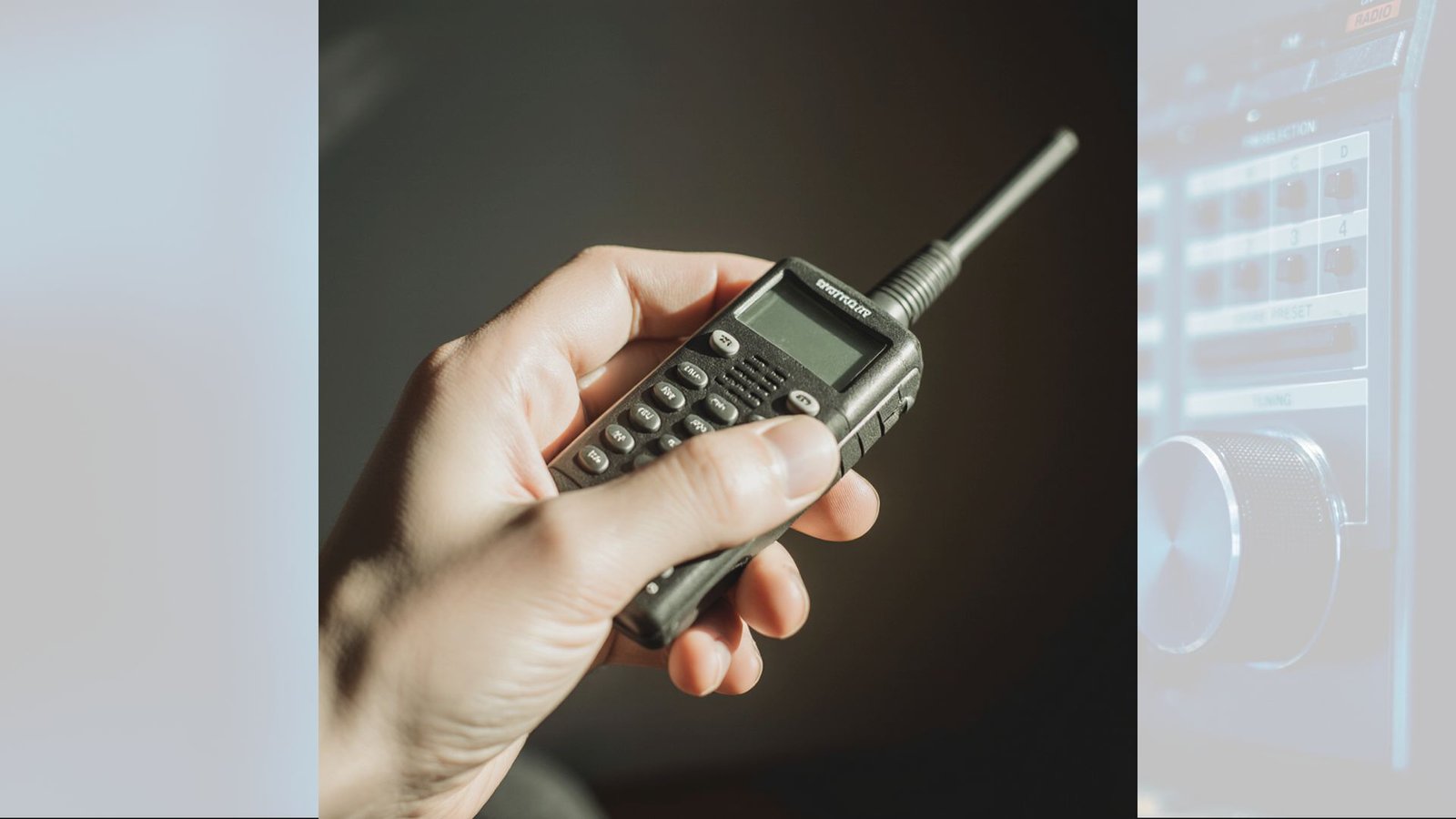
Introduction to The Best Handheld Ham Radio
Handheld ham radios, also known as portable amateur radios, are vital tools for communication among amateur radio enthusiasts. Distinct from general-purpose radios, these devices utilize specific frequencies allocated for licensed amateur use, allowing hobbyists to communicate over long distances without relying on commercial infrastructure. Their primary appeal lies in the versatility and reliability they offer in various situations, making them indispensable for both recreational users and emergency responders.
The fundamental features of the best handheld ham radios often include multiple frequency bands, robust power output options, and a wide range of modulation capabilities. These characteristics enable operators to communicate effectively with one another, irrespective of their geographical locations. Additionally, advanced models tend to come equipped with features such as built-in GPS, Bluetooth connectivity, and digital communication modes, further enhancing their functionality for various applications.
For hobbyists, handheld ham radios offer a unique opportunity to explore the world of radio communication, providing an engaging platform for experimentation and learning. Many enthusiasts join clubs and participate in events such as Field Day or contests, where they can connect with fellow operators and share experiences. Further, these devices play a crucial role in emergency services, allowing first responders to maintain communication in disaster situations or remote locations where conventional cellular networks may fail.
In urban settings, the use of handheld ham radios facilitates communication in times of crises, such as natural disasters, when the need for reliable channels is paramount. Similarly, in rural areas where signal coverage may be limited, these radios provide significant advantages, ensuring that individuals and communities stay connected. By combining the latest technology with tried-and-true practices, handheld ham radios continue to be an essential component of amateur radio culture and a lifeline in emergencies.

Best Handheld Ham Radio for Anyone Or Beginners in 2026
As the world of amateur radio continues to grow, finding the best handheld ham radio can be a dilemma for newcomers. In 2026, several models stand out for their user-friendly features, solid performance, and affordability. Here, we present a curated list tailored for beginners entering the vast realm of ham radio.
The Baofeng UV-5R is often heralded as the go-to choice for new enthusiasts. This dual-band radio operates on both VHF and UHF frequencies, making it versatile for different communication needs. Its simplified interface allows for quick access to frequencies, and its affordability ensures that beginners can explore amateur radio without a significant investment. However, some users note that the antenna could be an area for improvement, with upgrades available for better performance.
Next on the list is the Baofeng UV-5RM is packed with features. Besides the basic walkie-talkie functions, I can scan channels and even receive weather broadcasts, which is incredibly useful during outdoor adventures. The interface is user-friendly, making it easy to operate and quick to learn. Finally, the value for money is truly impressive. Compared to other brands on the market, the BAOFENG UV-5RM is absolutely a wise choice. I highly recommend it to everyone who loves outdoor activities or needs reliable communication – it’s a must-have!
The Yaesu FT-60R also deserves mention as one of the best handheld ham radios for novices. It combines a durable design with a user-friendly interface, making it ideal for both casual and serious communication. This model boasts impressive battery life, enabling prolonged use, a feature many user reviews highlight positively. However, its comprehensive features might overwhelm absolute beginners, suggesting that a gradual learning curve might be necessary.
Ultimately, the choice of a handheld ham radio for beginners in 2026 will depend on personal preferences regarding features, price, and brand loyalty. Consideration of user reviews and expert evaluations can further guide users to make an informed decision in selecting their first handheld ham radios.
Key Features to Look for in the Best Handheld Ham Radio
When selecting the best handheld ham radio, beginners should primarily consider several key features that significantly impact their communication experience. One of the foremost considerations is the frequency range. The ideal handheld ham radios should cover both VHF (Very High Frequency) and UHF (Ultra High Frequency) bands, providing versatility for various communication needs. This dual-band capability enables users to explore a wider range of frequencies, allowing them to connect with different operators and participate in various activities.
Another essential feature is power output. Handheld ham radios typically range from 0.5 watts to 5 watts. While higher power output can extend communication range, it may also decrease battery life. Therefore, beginners should strike a balance between power output and their typical usage scenarios, ensuring they can communicate effectively without frequent recharging.
Batteries and battery life impact a radio’s performance, particularly in emergencies or during extended outings. Opting for a rechargeable lithium-ion battery can be beneficial, offering longer usage times and less environmental impact compared to disposable batteries. Understanding the estimated battery life at different power levels is crucial for planning extended operations.
Ease of programming is another vital aspect. A user-friendly interface, along with clear instructions, can greatly enhance the overall experience for newcomers. Features like weather alerts and scan functions can further enhance functionality, allowing users to stay informed and responsive. Durability also plays a critical role; a rugged design ensures that the radio can withstand harsh conditions, making it suitable for outdoor activities.
By keeping these key features in mind—frequency range, power output, battery life, programming ease, and durability—beginners can confidently choose the best handheld ham radio suited to their specific needs and preferences.
Getting Started with Your Handheld Ham Radio
Beginning your journey with the best handheld ham radio can be an exhilarating experience. To ensure you get off on the right foot, it’s important to start with a good understanding of how to set up and operate your device. Firstly, unpack your handheld ham radio and familiarize yourself with its components, including the antenna, battery, and controls. Attach the antenna securely to ensure optimal signal strength, and insert the fully charged battery before powering on your device.
Once powered on, navigating the radio’s interface will be your next step. Many handheld ham radios come equipped with pre-programmed frequencies, which can be useful for beginners. Use the ‘VFO’ (Variable Frequency Oscillator) mode to select specific frequencies for communication. You may want to start with local repeaters or designated ham bands. Websites and apps that provide repeater directories can help you find active frequencies nearby.
Understanding operating protocols is crucial for effective communication. Make sure to learn the basic etiquette, such as identifying yourself, waiting for others to respond, and using clear language. Familiarize yourself with common terms and practices to ensure smooth exchanges with other operators.
Joining local ham radio clubs can enhance your learning experience significantly. Clubs often offer workshops, events, and peer support, which can help you gain confidence and improve your skills. Participating in local events or field days can be an excellent way to meet experienced operators and may provide hands-on training opportunities.
Finally, take advantage of the wealth of resources available online and offline.
Books, online forums, and dedicated websites can provide valuable information about the best practices for using handheld ham radios. Engaging with this community will further enrich your understanding and help you fully embrace this rewarding hobby.