
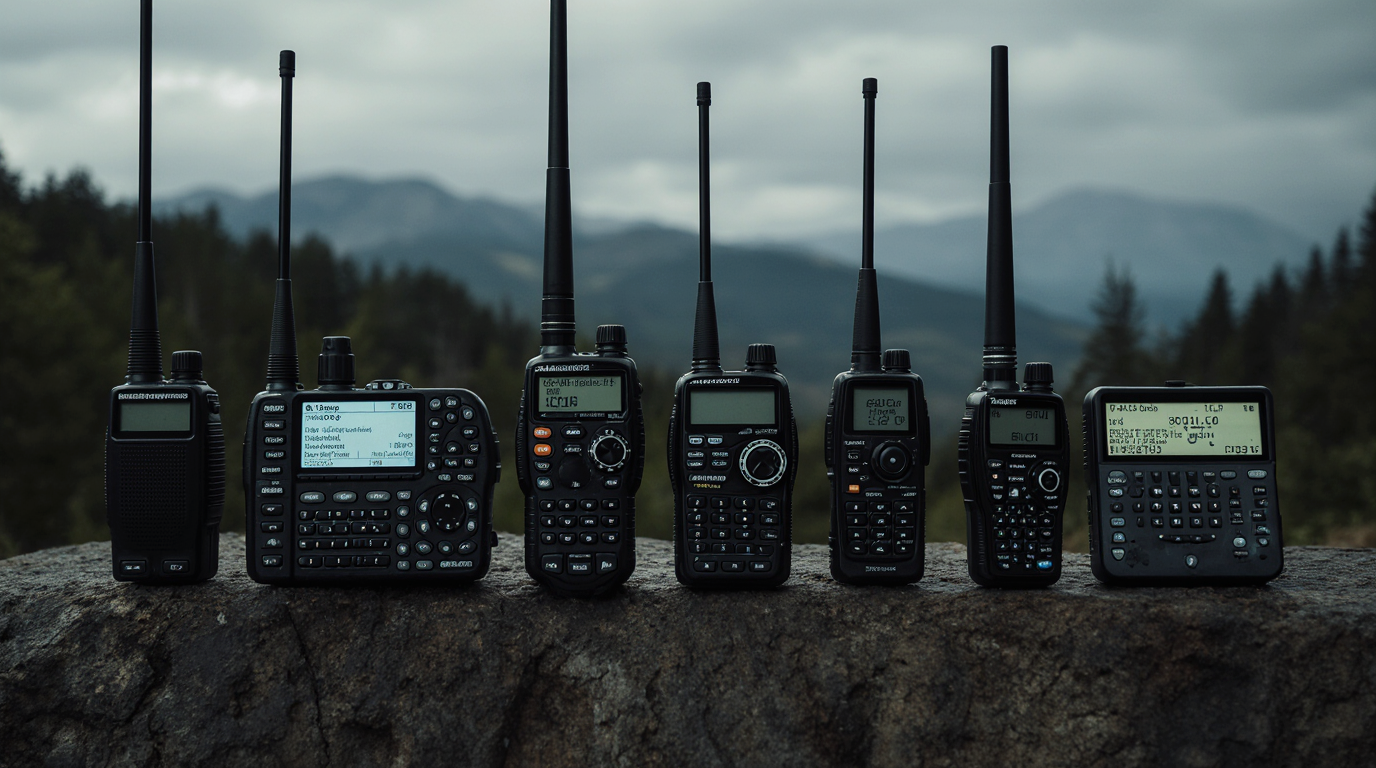
Understanding Your Best Handheld Ham Transceiver Radio
One of the primary functionalities of handheld ham transceivers is their ability to operate in simplex or duplex modes, supporting both direct communication and simultaneous transmission and reception. Additionally, many models come equipped with features such as dual-band capabilities, enabling operators to connect across VHF and UHF frequencies. This versatility makes the best handheld ham transceiver an essential gadget for varied applications, whether for everyday use, during outdoor adventures, or in emergency situations.
The significance of handheld transceivers extends beyond recreational use. In emergency communications, for instance, they serve as lifesavers when traditional communication infrastructure fails. Their portability allows amateur radio operators to deploy them quickly in disaster areas, facilitating crucial communications between affected individuals and rescue services. Moreover, they can be invaluable for those engaged in outdoor activities such as hiking or camping, enabling users to stay in contact with friends or family, thereby enhancing safety and enjoyment.
In essence, understanding handheld ham transceivers is vital for any aspiring amateur radio operator. As technology evolves and the need for reliable communication grows, selecting the right HT can have a significant impact on usability and effectiveness. This foundational knowledge will aid individuals in appreciating how these devices function and why they are indispensable tools in the amateur radio community.
Top Handheld Ham Transceivers of 2026
As we move into 2026, the market for handheld ham transceivers continues to evolve, offering a wide range of options to cater to different user preferences and budget ranges. Here we explore some of the top models available, evaluating each based on key features such as frequency range, battery life, durability, user interface, and unique functionalities.
First among the best handheld ham transceivers is the Icom IC-73A. Renowned for its exceptional performance, this model covers a wide frequency range from 2 meters to 70 cm, making it ideal for both local and long-distance communication. With a robust battery life that can last up to 18 hours on a single charge, users can rely on this transceiver for extended deployment. Its user-friendly interface enhances operational efficiency, allowing for quick access to various features.
Another noteworthy choice is the Yaesu FT-70DR. This dual-band transceiver stands out not just for its reliability but also for its rugged design, built to withstand harsh conditions. Offering a frequency range that covers both VHF and UHF bands, it also includes a built-in messaging system, enhancing communication capabilities. The FT-70DR is favored by both newcomers and experienced operators for its intuitive user interface and excellent audio quality.
For those on a budget, the BaoFeng UV-5R offers remarkable value without compromising on performance. This affordable handheld ham transceiver operates across VHF and UHF bands and provides a solid battery life, generally lasting about 12 hours. While it lacks some advanced features found in high-end models, it remains a preferred option for beginner enthusiasts, proving effective for casual use.
Finally, the Kenwood TH-D74A stands out as a premium choice, targeting serious operators. It features a comprehensive frequency range and offers advanced functionalities like APRS (Automatic Packet Reporting System), making it a powerful tool for facilitating emergency communications while on the go. With its durable build and sophisticated user interface, the TH-D74A proves to be one of the best handheld ham transceivers for those looking to invest in a high-end option.
Key Features to Consider When Choosing an HT
When selecting the best handheld ham transceiver (HT), it is crucial to evaluate several key features that can significantly impact your experience and effectiveness in communication. One of the primary aspects to consider is the power output of the transceiver. Power output typically ranges from 0.5 to 5 watts for handheld units. For users operating in urban settings or areas with many obstructions, a higher power output can facilitate clearer communication over longer distances.
Next, channel capacity is another fundamental feature to examine. An HT with a broader channel capacity allows users to access more frequencies, which can be essential in crowded bands or for emergency communication. Some models also offer the capability to program memory channels, streamlining the process of switching between frequently used frequencies.
Ease of programming is vital, particularly for newcomers to ham radio. User-friendly interfaces, intuitive menus, and comprehensive manuals make it easier to set up the device and begin using the best handheld ham transceiver without extensive prior knowledge. Additionally, compatibility with accessories such as external microphones, headsets, and batteries can enhance the overall functionality and enjoyment of the device.
Furthermore, portability is a critical factor for those who plan to use their transceiver while hiking, camping, or in emergencies. An ideal handheld transceiver should be lightweight, compact, and durable to withstand outdoor conditions. Look for weather-resistant models if you intend to operate in challenging environments.
For users with specific needs—such as emergency preparedness or outdoor adventures—considerations like battery life, built-in GPS, and dual-band operation may also be pivotal. Evaluating these features will enable you to select the most suitable handheld transceiver that meets your unique requirements effectively.
Getting Started with Your Best Handheld Ham Transceiver Radio
Embarking on your journey with the best handheld ham transceiver can be exciting yet overwhelming. The first step is ensuring you have the right setup. Begin by reviewing the user manual specific to your model. Pay particular attention to the battery life, charging procedures, and frequency settings. A well-charged battery is crucial for optimal operation, so familiarize yourself with the battery charging guidelines to avoid unexpected interruptions during communications.
Once your device is charged and ready, setting it to the appropriate frequency is vital. Most handheld transceivers allow you to scan for active frequencies which is a great feature for beginners. Engage in conversations by tuning into popular local frequencies and testing your skills. Consider investing time in an online frequency directory, as this can provide significant insight into local operators and networks.
Participating in local nets represents a fantastic opportunity to connect with other amateur radio enthusiasts. Many communities host these nets on specific days and times. Take part in these sessions not only to practice your communication skills but also to learn from experienced operators. Engaging with fellow operators will enhance your proficiency and confidence when using your handheld transceiver.
The best practices for effective communication are equally important. Always speak clearly and use proper terminology; avoid slang or jargon that might confuse other operators. Maintaining a friendly tone and being patient during conversations will promote a more enjoyable experience for everyone involved. Listening attentively is crucial—wait for your turn before responding, and avoid interrupting others.
For continued growth, consider joining amateur radio clubs or online communities. These platforms are invaluable for sharing experiences, asking questions, and accessing resources. Websites dedicated to amateur radio often feature forums, articles, and videos that can deepen your understanding and help navigate challenges with your handheld ham transceiver.
Read this post if you’re looking for a certain radio transceiver that can meet your communication needs.